
Oven Not Heating? Colorado Springs Repair Experts
When your oven won’t heat, meals stop. Our certified technicians diagnose and fix oven heating failures fast — with altitude-calibrated repairs built for Colorado Springs.
⭐⭐⭐⭐⭐ 100+ Reviews | 100% Satisfied Clients | Licensed & Certified | Serving Since 2020
Why Is My Oven Not Heating in Colorado Springs?
An oven that fails to heat is more than an inconvenience — it disrupts your entire kitchen routine. In Colorado Springs, oven heating problems are compounded by our 6,035-foot elevation, where reduced atmospheric pressure changes how gas combustion and electric heating elements perform.
The most common causes of an oven not heating include a failed igniter (gas ovens), a burned-out bake or broil element (electric ovens), a malfunctioning thermostat, a tripped thermal fuse, or a faulty oven control board. At altitude, gas oven igniters degrade faster because they must reach higher temperatures to ignite the thinner gas-air mixture, reducing their typical lifespan by 15–20%.
Our diagnostic process identifies the exact failure point within 20 minutes, and most oven heating repairs are completed in a single visit using the OEM parts we carry on our service vehicles.
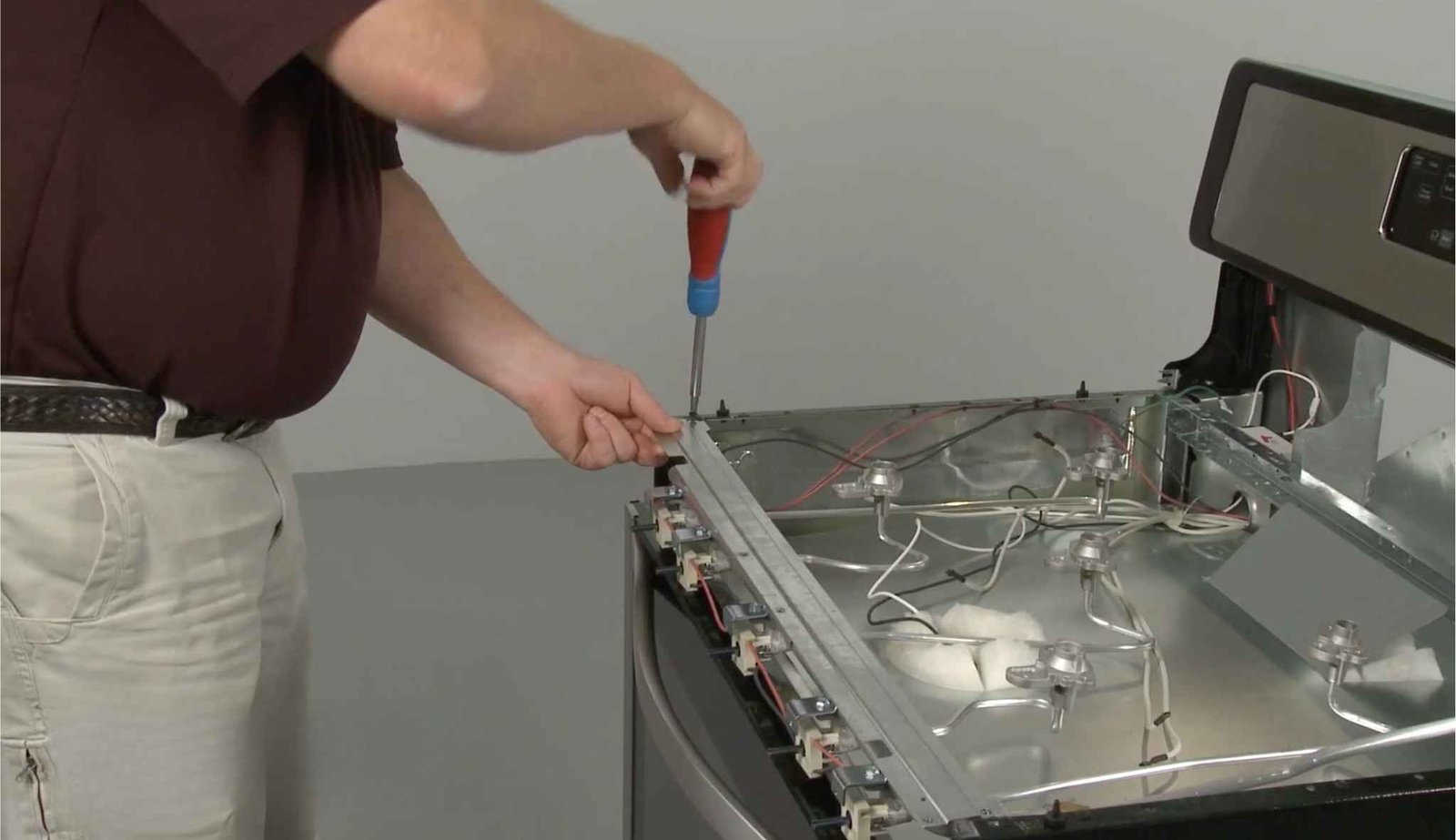
What Causes an Oven to Stop Heating?
Oven heating failures have distinct causes depending on whether you have a gas or electric oven. Here are the most common issues we diagnose in Colorado Springs homes:
Gas Oven Not Heating
- Failed hot-surface igniter — The silicon carbide igniter cracks or weakens over time, unable to reach the 1,800°F needed to open the gas safety valve
- Defective gas safety valve — Even with a working igniter, a stuck or failed valve blocks gas flow to the oven burner
- Faulty oven thermostat — The temperature sensor misreads, preventing the control board from calling for heat
- Blocked oven burner orifice — Grease, food debris, or carbon buildup restricts gas flow through the burner ports
Electric Oven Not Heating
- Burned-out bake element — Visible damage like blistering, cracking, or a break in the coil confirms element failure
- Failed broil element — The upper element may fail independently, affecting broiling and some convection functions
- Tripped thermal fuse — A safety device that cuts power to the heating elements if the oven overheats; must be replaced, not reset
- Control board malfunction — The electronic board fails to send voltage to the heating elements despite receiving commands
Expert Oven Heating Repair Across Colorado Springs
Gas or electric — we diagnose the root cause and fix it right the first time, every time.
How Much Does It Cost to Fix an Oven That Won’t Heat?
Oven heating repair in Colorado Springs typically costs between market rate (quoted before work begins), depending on the component that has failed and your oven type. Here is how common repairs break down:
- Igniter replacement (gas oven) — market rate (quoted before work begins), including parts and labor
- Bake or broil element replacement (electric) — market rate (quoted before work begins), depending on the element type and oven model
- Thermostat or temperature sensor — market rate (quoted before work begins), as calibration testing is required after installation
- Thermal fuse replacement — market rate (quoted before work begins), a straightforward swap that restores power to heating circuits
- Control board repair or replacement — market rate (quoted before work begins), the most complex repair involving the oven’s electronic brain
We provide a firm quote after diagnosis — no hourly billing surprises.
“My oven stopped heating completely two days before hosting a dinner party. The technician found a cracked igniter, replaced it on the spot, and even calibrated it for our altitude. Incredible service.”
— Jennifer L., Northgate (80921)
How Does Colorado Springs Altitude Affect Oven Heating?
At 6,035 feet, Colorado Springs elevation creates specific challenges for oven performance that technicians without local experience often miss. The lower air pressure means gas ovens receive approximately 20% less oxygen per unit volume, requiring precise orifice sizing and igniter calibration to achieve proper combustion.
Electric ovens face different altitude effects. Water boils at approximately 201°F instead of 212°F at our elevation, which changes moisture dynamics during baking. The oven thermostat must maintain accurate temperatures because even small deviations are magnified by altitude’s effect on cooking chemistry. A thermostat reading 25°F low at sea level is a minor annoyance — at 6,000+ feet, it can make recipes fail consistently.
Our technicians verify oven temperature accuracy with independent thermocouples after every heating repair, ensuring your oven performs correctly at Colorado Springs altitude.
When Should You Call a Professional for Oven Heating Problems?
Some oven issues are simple to troubleshoot yourself, while others require professional expertise:
Try first: Check that the oven is plugged in and the circuit breaker hasn’t tripped. Verify the oven isn’t in “delay start” or “lock” mode. For gas ovens, confirm the gas supply valve behind the range is fully open.
Call a technician when: You smell gas but the oven won’t ignite. The bake element shows visible damage. The oven heats but doesn’t reach the set temperature. Error codes appear on the display. The oven trips your circuit breaker repeatedly.
“Our electric oven was heating unevenly — burning on one side, raw on the other. Turned out the bake element had a hidden crack. Fixed in under an hour and the oven heats perfectly now.”
— Tom S., Security-Widefield (80911)
Oven Not Heating? Call Now: (719) 467-3100
Frequently Asked Questions About Oven Heating Problems
Why does my oven take so long to preheat?
Slow preheating usually indicates a weakening igniter (gas) or a partially failed heating element (electric). At Colorado Springs altitude, preheating naturally takes 10–15% longer than at sea level, but if it exceeds 15 minutes to reach 350°F, a component is likely failing.
Can a dirty oven cause heating problems?
Excessive grease and food buildup can block burner ports in gas ovens and insulate heating elements in electric ovens, reducing heat transfer efficiency. Regular cleaning improves heating performance and extends component life.
Is it worth repairing an oven that won’t heat?
If your oven is less than 10 years old and the repair costs less than 50% of replacement, repair is almost always the better value. Our technicians give you an honest assessment of repair vs. replace for your specific situation.